
Where the Casa Blanca Brand Stands in the 2026 Luxury World
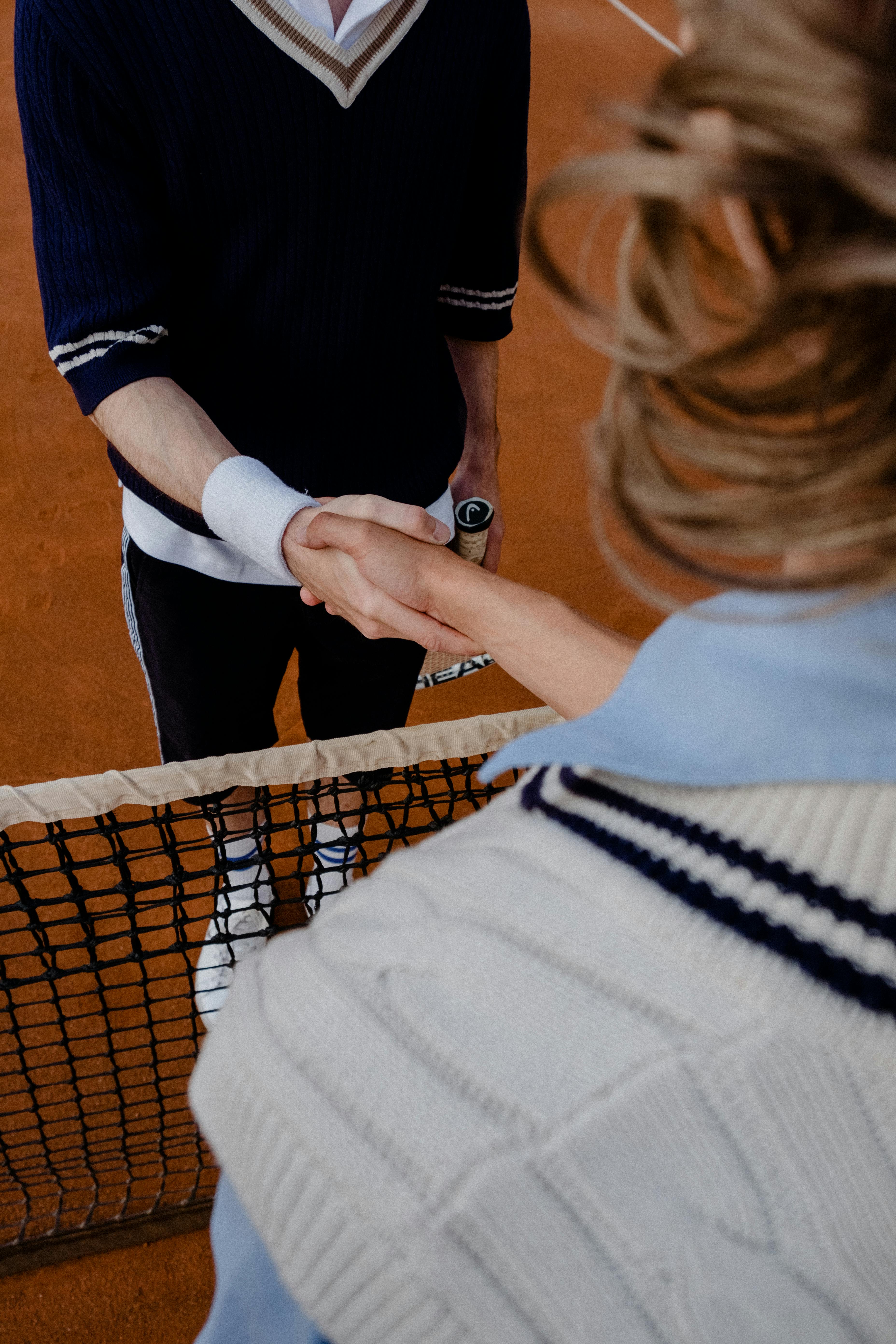
Although the spelling „Casa Blanca brand” is commonly entered by web shoppers, it denotes the registered Casablanca fashion house based in Paris and launched by Charaf Tajer in 2018. In the saturated luxury landscape of 2026, Casablanca occupies a particular and progressively impactful position: contemporary luxury with compelling brand narrative, premium materials and a aesthetic signature rooted in tennis, exploration and vacation culture. The brand presents collections during Paris Fashion Week, distributes through high-end multi-label boutiques and retailers around the world, and retails its pieces in line with labels like Amiri, Jacquemus, Rhude and Palm Angels. This positioning puts Casablanca beyond high-end streetwear but below storied powerhouses like Louis Vuitton or Gucci, affording it room to grow while maintaining the design independence and appeal that power its ascent. Understanding where the Casa Blanca brand stands in this ladder is vital for customers who seek to spend smartly and understand the worth behind each buy.
Understanding the Primary Audience
The average Casablanca customer is a fashion-savvy person between 22 and 42 years old who holds dear creativity, adventure and cultural engagement. Many buyers operate in or adjacent to creative sectors—design, media, music, hospitality—and seek clothing that communicates taste and individuality rather than social standing alone. However, the brand also draws in workers in finance, tech and law who aim to set apart their weekend wardrobes with something more unique than ordinary luxury defaults. Women constitute a increasing segment of the customer base, captivated by the label’s fluid silhouettes, colourful prints and vacation-suitable mood. Geographically, the strongest markets in 2026 are Western Europe, North America, the Middle East, Japan and South Korea, though digital platforms continues to expand visibility across the globe. A notable secondary audience comprises archive enthusiasts and resellers who watch exclusive drops and archive pieces, seeing the brand’s ability for growth in value. This broad but coherent customer picture provides Casablanca a large revenue base while keeping the feeling of exclusivity and creative depth that attracted its earliest fans.
Casa Blanca Brand Key Audience Segments
| Segment | Age Range | Motivation | Preferred Categories |
|---|---|---|---|
| Cultural professionals | 25–40 | Self-expression | Silk shirts, knitwear, prints |
| Luxury streetwear fans | 18–35 | Exclusivity | Hoodies, track sets, caps |
| Travel and travel shoppers | 28–45 | Vacation style | Shorts, shirts, accessories |
| Archive buyers and flippers | 20–38 | Investment | Rare prints, collaborations |
| Women customers | 22–42 | Fluidity | Dresses, skirts, silk pieces |
Price Band and Value Narrative
Casablanca’s pricing embodies its place as a current luxury house that prioritises creativity, casablanca paris textile excellence and controlled production over mass-market accessibility. In 2026, T-shirts usually retail between 200 and 350 dollars, hoodies and sweatshirts between 400 and 700 dollars, silk shirts between 700 and 1 200 dollars, knitwear between 450 and 900 dollars, and outerwear between 800 and 2 000 dollars based on intricacy and materials. Accessories like caps, scarves and petite bags range from 100 to 500 dollars. These price points are largely similar to labels like Amiri and Rhude but can be lower than some Jacquemus or Off-White pieces at the high end. What warrants the outlay for many customers is the fusion of original artwork, premium manufacturing and a unified brand story that makes each piece appear considered rather than unremarkable. Pre-owned values for coveted prints and exclusive drops can exceed original retail, which supports the image of Casablanca as a wise acquisition rather than a depreciating expense. Customers who measure cost-per-outfit—thinking about how often they in practice wear a piece—often discover that a adaptable silk shirt or knit from Casablanca delivers impressive value regardless of its initial price.
Distribution Approach and Retail Presence
The Casa Blanca brand employs a selective placement model aimed at maintain desirability and avoid ubiquity. The principal own-channel channel is the official website, which carries the complete range of current collections, exclusive drops and timed sales. A primary store in Paris acts as both a shopping space and a experiential centre, and travelling locations open regularly in cities like London, New York, Milan and Tokyo during fashion weeks and arts events. On the retail partner side, Casablanca works with a selective roster of luxury retailers including SSENSE, Mr Porter, Farfetch, Browns, Dover Street Market and certain department stores such as Selfridges, Neiman Marcus and Isetan. This limited distribution confirms that the brand is available to genuine shoppers without appearing in every off-price outlet or budget aggregator. In 2026, Casablanca is understood to be expanding its retail footprint with year-round stores in two extra cities and greater spending in its web experience, with digital try-on features and better size help. For customers, this translates to expanding accessibility without the ubiquity that can diminish luxury status.
Brand Status Compared to Peers
Knowing the Casa Blanca brand’s status calls for contrasting it with the labels it most often sits next to in multi-brand stores and lifestyle editorials. Jacquemus offers a comparable French luxury foundation but moves more toward restraint and earthy palettes, making the two brands harmonious rather than rival. Amiri presents a moodier, grunge-inspired California identity that resonates with a separate mood. Rhude and Palm Angels operate in the premium street space with graphic-rich designs that share ground with some of Casablanca’s relaxed pieces but miss the holiday and tennis thread. What sets Casablanca apart from all of these is its steady focus on original prints, color richness and a particular mood of happiness and resort life. No other label in the contemporary luxury tier has established its full world around courtside life and European travel with the same commitment and consistency. This unique place gives Casablanca a strong brand equity that is difficult for newcomers to copy, which in turn supports sustained brand equity and premium power.
The Importance of Partnerships and Capsule Editions
Collaborations and special releases perform a strategic function in the Casa Blanca brand’s market approach. By joining forces with sportswear brands, creative institutions and design brands, Casablanca presents itself to untapped audiences while building buyer energy among loyal fans. These drops are typically made in low runs and showcase co-branded prints or unique palettes that are not stocked in mainline collections. In 2026, collab pieces have emerged as some of the most in-demand items on the secondary market, with specific releases selling above first retail within hours of dropping. For the brand, this strategy generates press attention, drives traffic to websites and supports the image of exclusivity and cachet without undermining the regular collection. For customers, collaborations provide a moment to acquire one-of-a-kind pieces that sit at the junction of two creative worlds.
Long-Term Outlook and Consumer Plan
For shoppers thinking about how the Casa Blanca brand fits into their unique wardrobe universe in 2026, the label’s status points to a few smart methods. If you seek a wardrobe anchored by vibrant colour, print and travel energy, Casablanca can act as a main provider for hero pieces that ground outfits. If your style is subtler, one or two Casablanca pieces—a knit, a shirt or an accessory—can inject personality into a minimal wardrobe without remaking your complete closet. Investors and collectors should pay attention to special prints and joint releases, which over time hold or beat their launch value on the aftermarket market. Regardless of strategy, the brand’s focus on craftsmanship, brand story and controlled distribution supports a customer interaction that reads as purposeful and gratifying. As the luxury market develops, labels that provide both emotive storytelling and measurable quality are set to outperform those that lean on hype alone. Casablanca’s standing in 2026 signals that it is designing for endurance rather than fleeting buzz, rendering it a brand worth tracking and collecting for the long haul. For the latest pricing and supply, visit the official Casablanca website or explore selections on Mr Porter.